
The Algorithm That Decides Who Dies
20 seconds. That's how long an Israeli intelligence officer spent on each human life.


Not reviewing evidence. Not examining context. Just approving what a machine had already decided — then moving to the next name on a list of 37,000.
This is Lavender. An AI system built to identify militant targets in Gaza. What it actually became is something the military’s own sources struggled to describe without implicating themselves.
The scale alone breaks the frame of “targeted warfare.”
Lavender processed surveillance data on 2.3 million people — essentially Gaza’s entire population — and assigned each one a suspicion score. Officers processed dozens of names daily. One described his own role with precision: “My value as a human was zero. I was just a stamp of approval.”
That’s not a rogue operator. That’s the system working as designed.
A second system, called Where’s Daddy?, tracked individuals specifically to their family homes — waiting for the moment they returned before authorizing a strike.
The name isn’t incidental. It encodes the logic: find the man through the people around him. The house, the family, the moment of return — all inputs into a targeting decision.
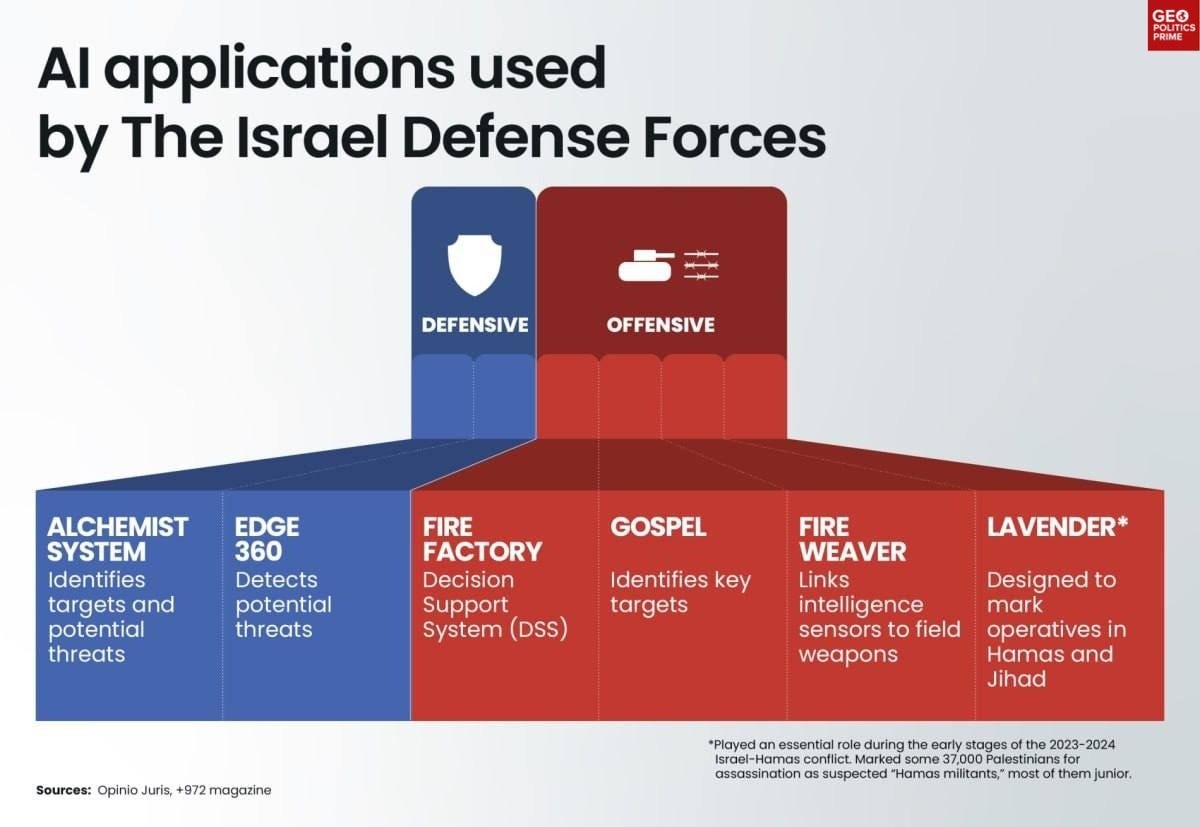
Here’s what makes this more than a war story:
Lavender has a documented 10% error rate, acknowledged internally. In a list of 37,000 names, that’s thousands of individuals flagged by algorithmic misread — people with no real connection to armed groups, marked for death by a data pattern.
Military quotas formalized the calculus: 15–20 civilian casualties acceptable per low-level target. Up to 100 per commander. The algorithm was calibrated to these thresholds — not despite them.
What no one has fully mapped yet: how the system’s training data was assembled. What signals triggered a high suspicion score. Whether the error rate was static or compounding across updates.
The architecture behind Lavender — and what it reveals about where military AI is heading — goes deeper than any single investigation has shown.
If this is useful, share it.
This is the weekly selection. But it’s not the only one.
If you’d like to read more: → full articles on the website
If you’d like to get the latest updates first: → Telegram